


Supporting you to live at home longer.
At West Coast Homecare, we support older people and their families to continue living at home with confidence, comfort and choice. You are at the centre of everything we do.
Whether you are learning about aged care for the first time, transitioning to the new Support at Home program, or simply looking for clear and reliable information, our team is here to walk alongside you.
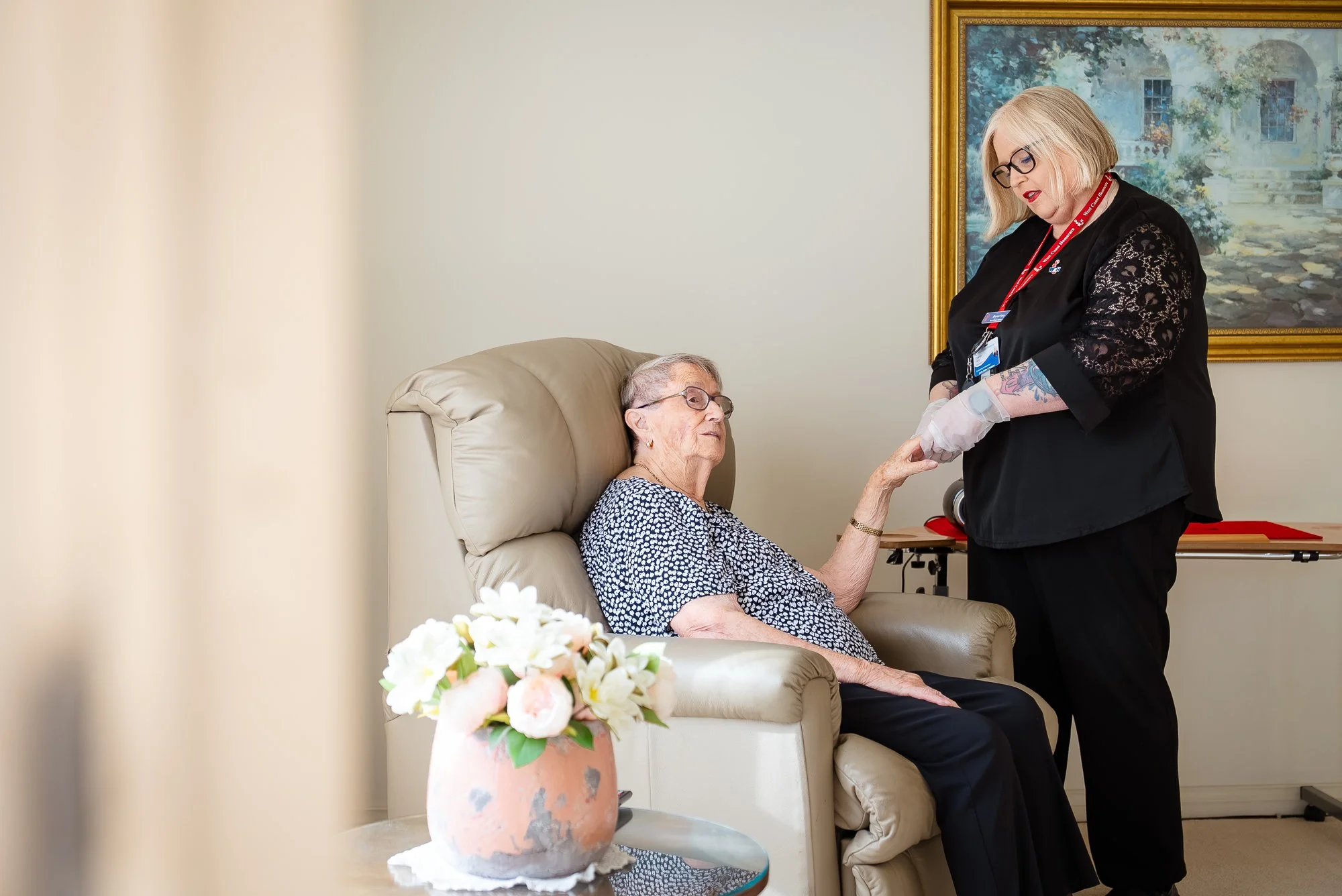

“Our commitment is to provide the right support, at the right time, so you can continue living with confidence, choice and control over how your care is delivered.”

What is
Support at home?

From 1 November 2025, the Australian Government introduced the Support at Home Program — a new, simplified way to access government-funded care at home.
Support at Home replaces the previous Home Care Packages (HCP) Program and Short-Term Restorative Care, bringing services together under one more flexible, person-centred system. The Commonwealth Home Support Program (CHSP) will continue separately and is expected to transition into Support at Home from mid-2027.
The goal of the program is simple: to help older Australians live safely and independently at home for longer, with the right level of support at the right time.
At West Coast Homecare, we’re here to help you understand what this means for you and how to make the most of the program, including accessing funding, choosing services, and planning your care.
Key Program Details
More Flexibility
Support at Home offers greater flexibility through eight ongoing funding classifications, designed to better match your assessed care and support needs. It includes a broad service list and short-term care pathways, providing additional support when your circumstances change.
-
Each of the eight level corresponds to progressively higher care requirements, providing a larger quarterly budget to pay for approved services.
The program also includes short-term care pathways, such as the Restorative Care Pathway for recovery and reablement, and the End-of-Life Pathway, providing additional support when circumstances change.
There is also funding available for Assistive Technology and Home Modifications (AT‑HM) to help participants remain safe and independent at home
Types of Support Available
Support at Home offers an approved range of services to help you live safely and independently at home. This may include clinical care such as nursing and allied health, help with personal care, medications, transport and respite, as well as everyday assistance like cleaning, gardening, shopping and meal preparation. See the full list here.
Funding & Fees
If you’re approved for ongoing Support at Home services, you’ll be placed into one of eight funding classifications, based on your assessed needs. Each level represents an increasing level of care needs and comes with a larger quarterly budget to support more frequent or more complex services to help cover your approved services.
-
Once approved, participants are assigned to one of eight ongoing funding classifications. Each classification comes with a quarterly budget, which can be partially carried over if not fully used, allowing flexibility in planning services across the year.
Participants may also request reassessment if care needs change, potentially moving to a higher classification with increased funding. Some services may require income-tested contributions, while clinical services are fully funded. Providers work with participants to manage budgets and contributions transparently.
Strengthened Quality Standards
Support at Home is underpinned by the Strengthened Aged Care Quality Standards established under the Aged Care Act 2024. These standards focus on: Safety Respect and dignity, Transparency, Person-centred care Providers are legally required to meet these standards and deliver services in line with participants’ needs and rights.

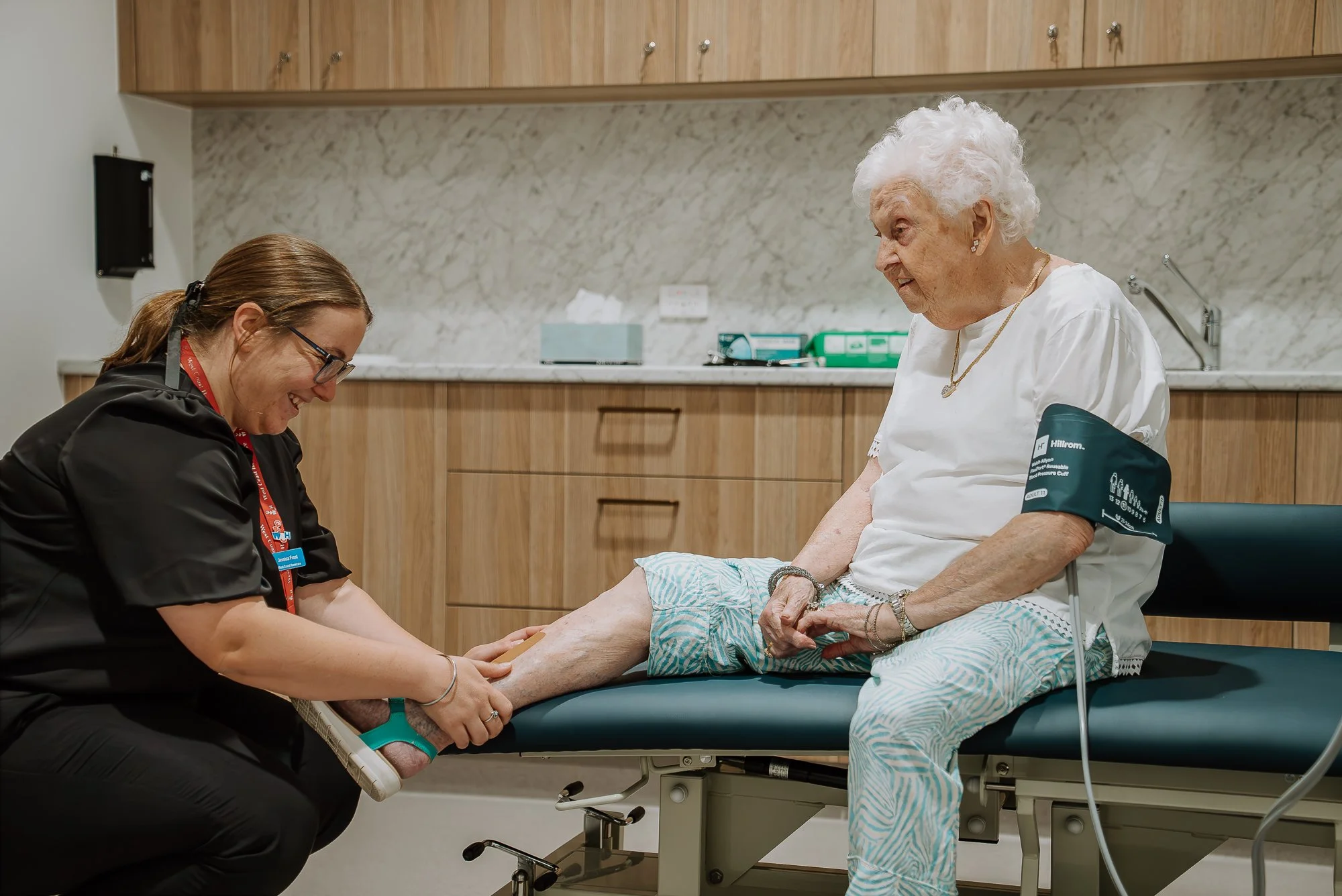
When looking for care at home, the first place to start is My Aged Care.
My Aged Care is an Australian Government agency which will assess your eligibility for aged care funding. If you are eligible, you can apply for the Support at Home Program. Packages range from Level 1 to 4, and are allocated based on the level of care you need.
Our friendly staff understand the complexities of navigating My Aged Care assessments and government funding processes and therefore are available to assist you, offering step-by-step guidance to simplify your journey.
See a step by step guide here:
Accessing Aged Care Services
-
My Aged Care is the national entry point for all government-subsidised aged care services, including the Support at Home Program. To access funding, you’ll need to be registered and complete an initial assessment process.
How to register:
You, or a family member with your permission, can register by calling 1800 200 422 or by applying online via the My Aged Care website. The phone call usually takes around 15–20 minutes and involves answering some basic questions about your health, living situation and support needs. If you apply online, you’ll complete a form and My Aged Care will follow up with a phone call.For Aboriginal and/or Torres Strait Islander People: Aboriginal and/or Torres Strait Islander people aged 50 and over may be eligible for aged care. You can apply for an aged care assessment to see what support is available. See the Fact Sheet here.
How West Coast Homecare can help
If contacting My Aged Care feels overwhelming, you don’t have to do it alone. With your consent, our team can support you through the registration process, be on the call with you, or help initiate the referral.What happens next
Once you’re registered, My Aged Care will create a client record for you and organise an assessment to better understand your needs. -
An assessment helps determine what type of support you may be eligible for and what level of care best suits your needs. This is usually carried out by a trained assessor (usually a nurse, social worker or allied health professional) who will talk with you about your daily life, health, goals and the kind of support that would help you remain independent at home.
The assessment may take place in your home, over the phone, or via video call. You’re welcome to have a family member or support person present if you wish.
Outcome:
After the assessment, you’ll receive an official approval letter (Notice of Decision) from My Aged Care and it will advise what services or funding you’re approved for, your classification level, including whether you’re eligible for Support at Home. Keep this letter, it contains a referral code and details we’ll use.West Coast Homecare Can Help:
We can help you prepare for the assessment and after the assessment, help decipher the often complex letter and explain exactly what you’re entitled to. -
Once you’ve received your My Aged Care approval letter (Notice of Decision) and you’re ready to start receiving services, you’ll need to pass it on to your chosen provider. If you would like to work with us – simply contact us with your details and we will activate them in the system.
We’ll explain your services, budget and next steps in clear, plain language and support you as your needs change over time — ensuring your care continues to feel right for you.
Note: Sometimes there can be a long wait for Support at Home. In the meantime, other options may be available. Talk to us about what options will work for you.
Your questions answered
-
Support may include clinical and independence supports such as:
Nursing Care
Care Management
Restorative Care Management
Personal Care
Allied Health and Therapy
Therapeutic Services for Independent Living
Nutrition – Prescribed oral or enteral nutrition
Home or Community General Respite
Community Cottage Respite
Social Support and Community Engagement
Home Adjustments
Equipment and Products
Home Maintenance and Repairs
Meals
Transport
Domestic Assistance
-
Support at Home replaced Home Care Packages (and Short-Term Restorative Care) from 1 November 2025 and is designed to be simpler and more flexible.
-
If you’re an existing West Coast Homecare client on a Home Care Package, you do not need to reapply or change providers. Your services, care team, and funding will continue without interruption, just under the new program name. We will keep in contact with you throughout this transition process and clearly explain any changes so there are no surprises.
-
Apply via My Aged Care online, or call 1800 200 422. See our Step by Step instructions here.
-
The Support at Home Program has eight levels of funding. That means whether you just need a little help with things like cleaning and shopping, or daily support with personal care and nursing, there’s a level that fits your needs. Funding starts at entry-level support and goes up to budgets of around $78,000 per year for people with higher care needs.
-
Your budget includes government funding and may include participant contributions. Providers set prices, and must publish their price lists online so you can compare.
-
The CHSP will transition to Support at Home no earlier than 1 July 2027. Until then, CHSP continues operating.
-
No, being a grandfathered participant means your current Home Care Package arrangements will carry over into Support at Home with no changes to your services, funding level, or contribution rates.
You’ll automatically transition, and thanks to the “no worse off” principle, you will not pay more than you currently do, even if reassessed in the future. Learn more here.
-
It means your care costs will never increase beyond what you currently pay. Even if your care needs change and you’re reassessed for a higher level of support, your contribution will remain capped at your existing amount. Learn more here.
-
Yes, through the Support at Home program’s Assistive Technology and Home Modifications (AT‑HM) scheme, you can access separate financial support to cover items and adjustments needed to live safely at home.
This includes assistive devices (e.g., wheelchairs, shower chairs) and home modifications (e.g., grab rails, ramps), all funded outside your regular Support at Home budget once approved through your aged‑care assessment. Learn more here.
-
Yes, under the Support at Home program, participants are expected to contribute to certain services based on their capacity to pay. If you experience financial hardship, you can apply for a hardship supplement or fee reduction. Learn more here.
-
The Commonwealth Home Support Programme (CHSP) is a government-funded aged care program that supports older Australians with entry-level help at home, such as domestic assistance, personal care, meals, transport and social support.
West Coast Homecare continues to deliver CHSP services to existing clients, and if you’re currently receiving support under this program, your services will continue as usual. Over time, CHSP will transition into the new Support at Home program, and we’ll be here to guide you through that process when required.
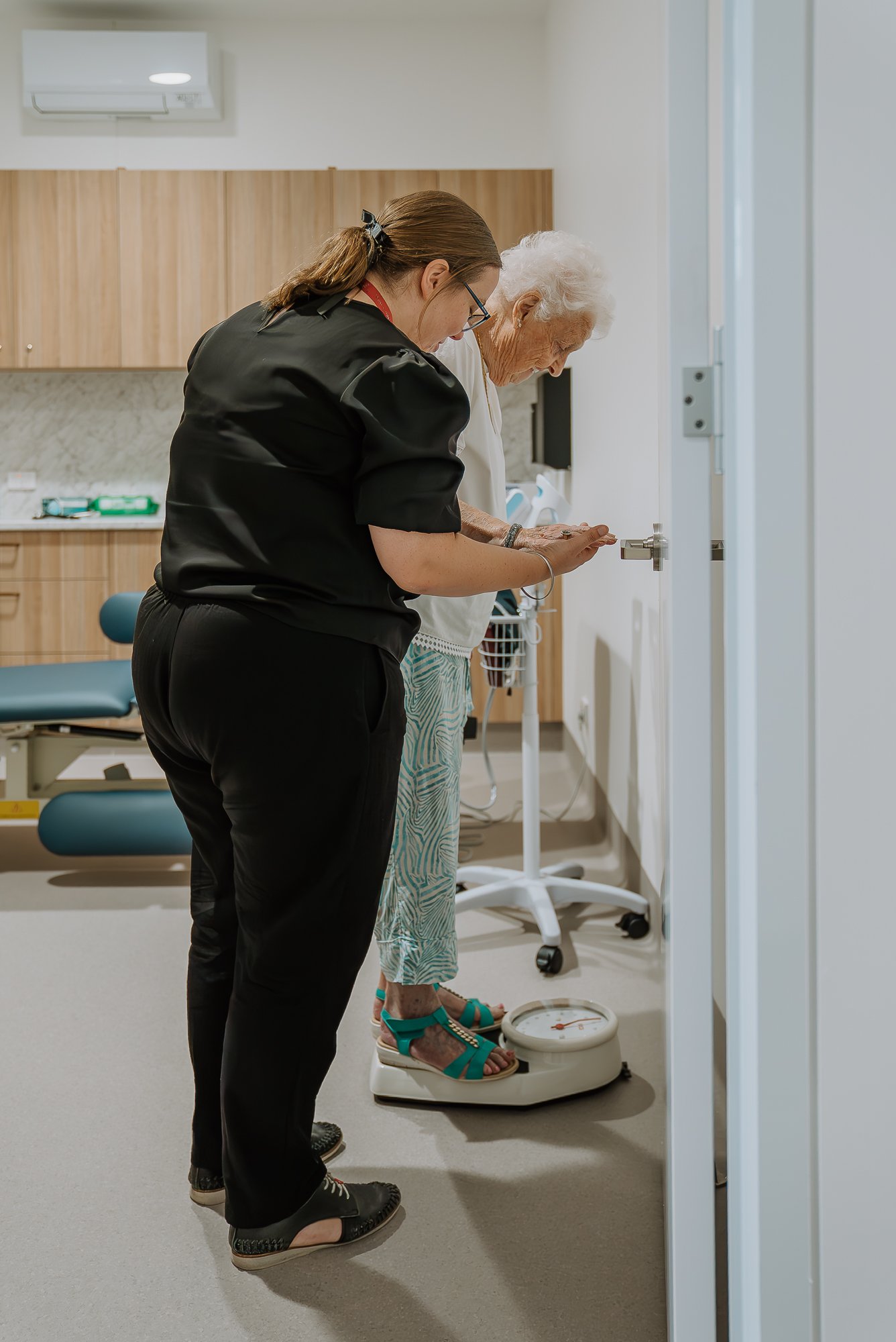

Thinking about home care, or ready to take the next step?
Our team is here to listen, answer your questions, and help you explore what Support at Home could look like for you or your loved one.